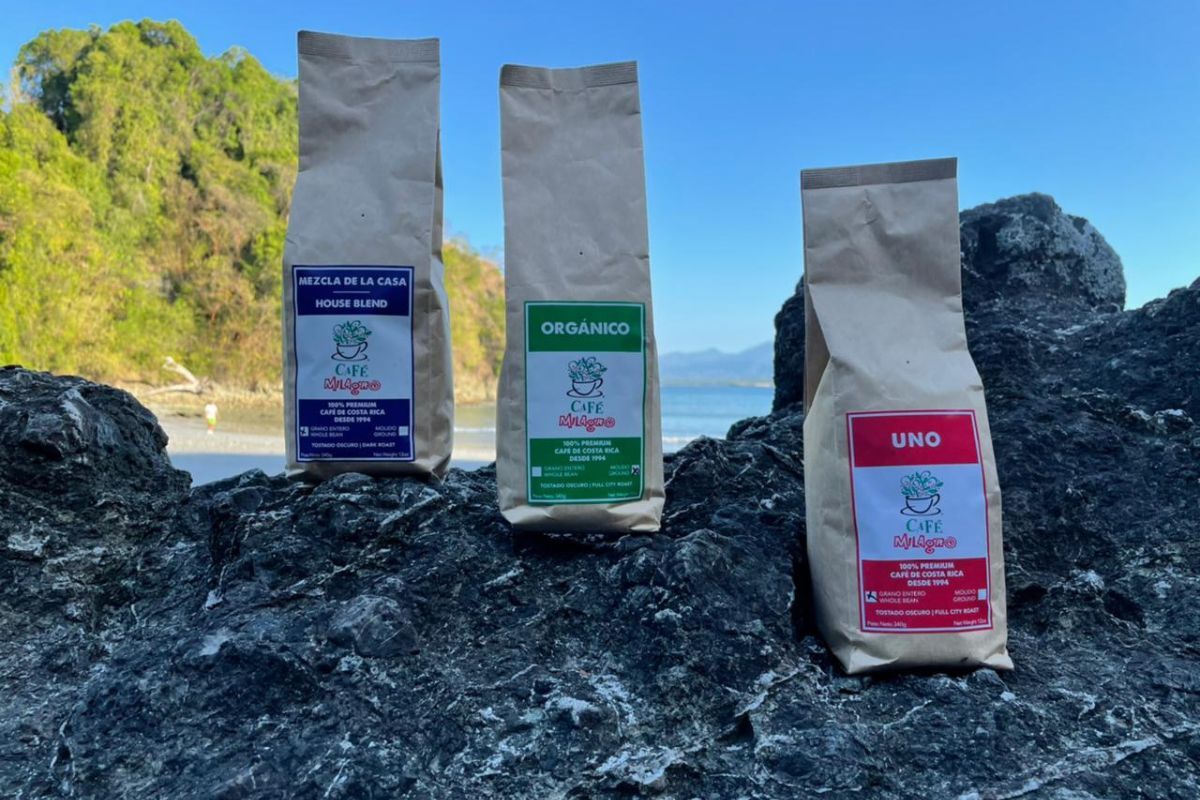
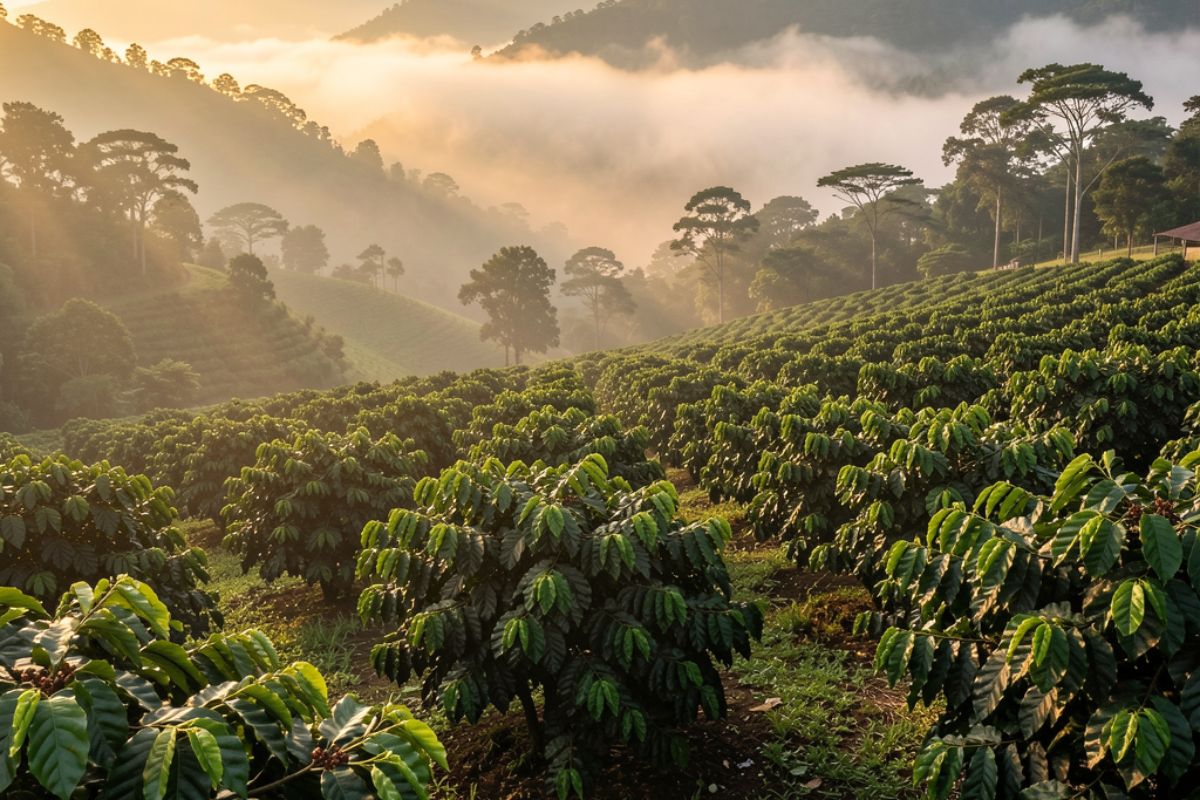
TLDR; The Short Answer
Costa Rican coffee is exceptional because of a rare alignment of conditions that almost no other country can replicate: high-altitude volcanic soil, consistent tropical climate with distinct wet and dry seasons, a government that banned low-quality robusta cultivation, and generations of farmers who treat coffee as both craft and culture. The result is a cup defined by brightness, clarity, and complexity — characteristics that have made Costa Rican beans a cornerstone of the specialty coffee world for over a century.
We know this not from textbooks, but from thirty years of roasting Costa Rica's finest coffees.
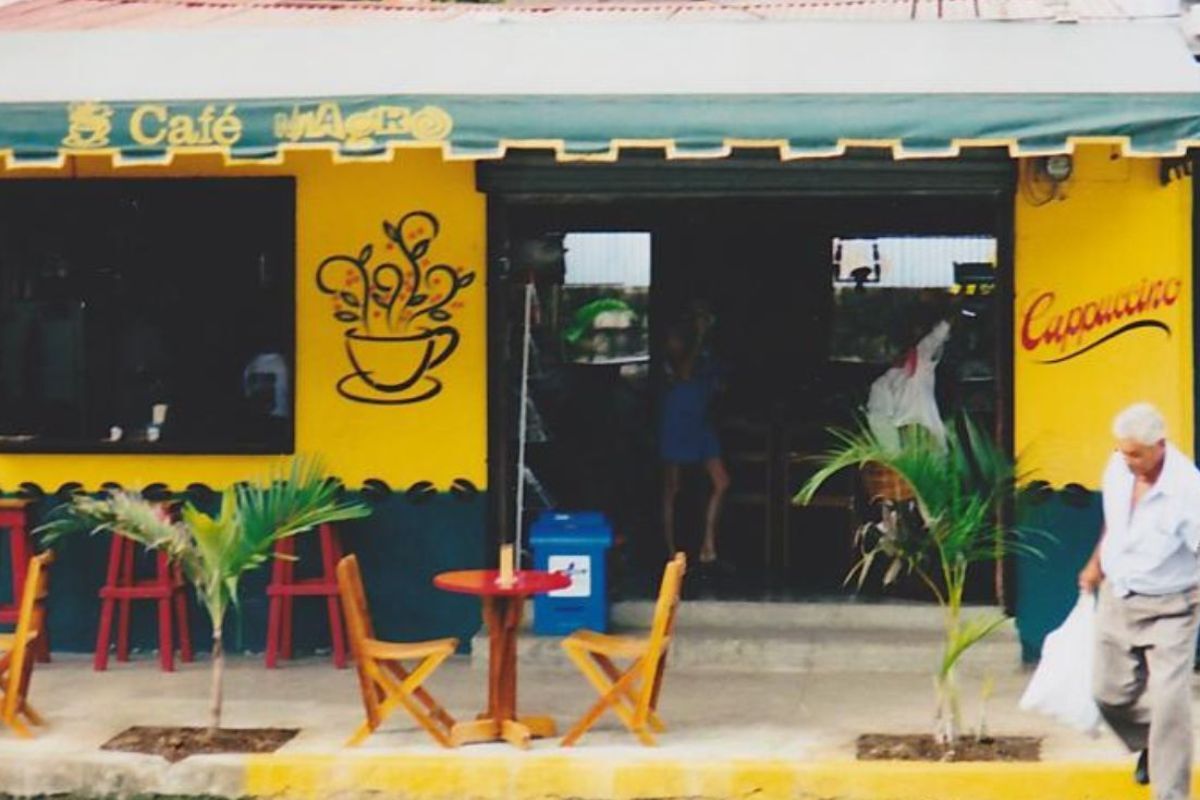
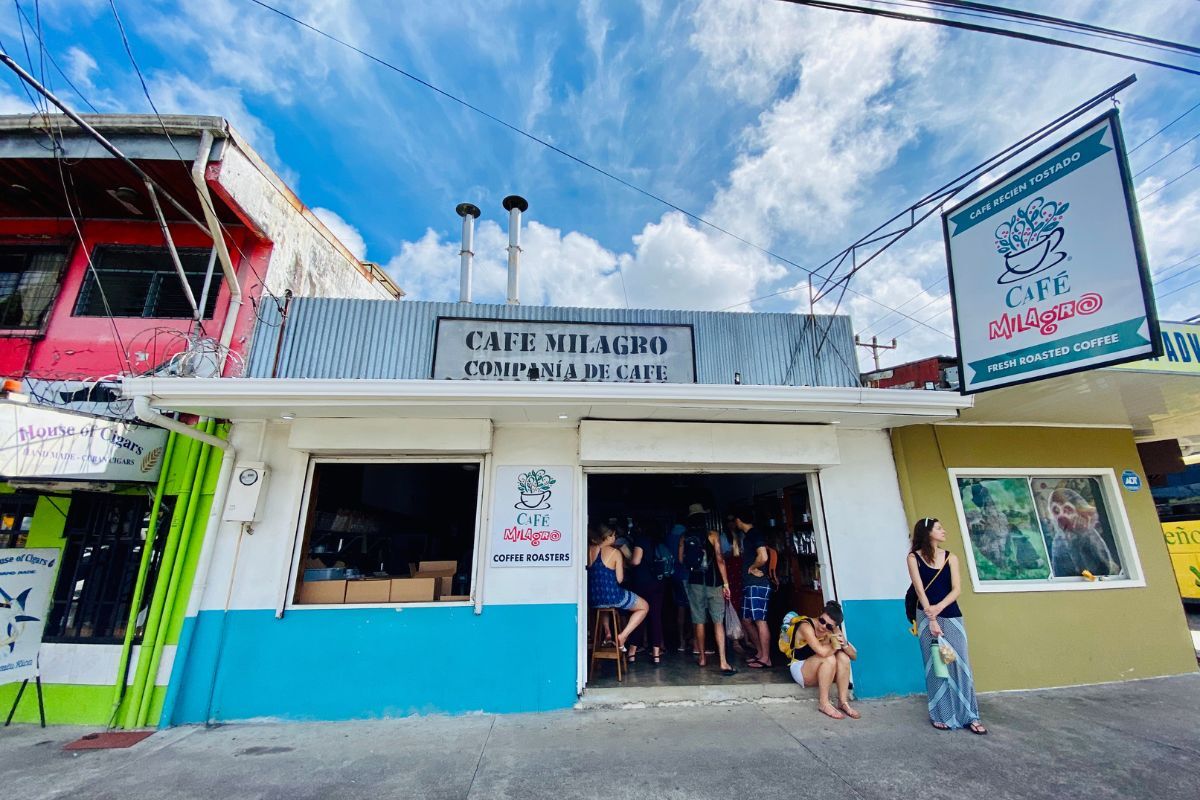
Café Milagro Coffee Roaster in Downtown Quepos 1994
Why We're Qualified to Answer This Question
Cafe Milagro has been roasting Costa Rica's finest coffees since 1994. From our original boutique roaster in downtown Quepos — just minutes from the biodiversity of Manuel Antonio — we have spent three decades building direct relationships with select farmers across the country's most celebrated growing regions. We've walked the farms, cupped the harvests, and traced the journey from cherry to finished roast more times than we can count.
What we've learned along the way is that the question "what makes Costa Rican coffee special?" doesn't have a single answer. It has several — and they're all interconnected.
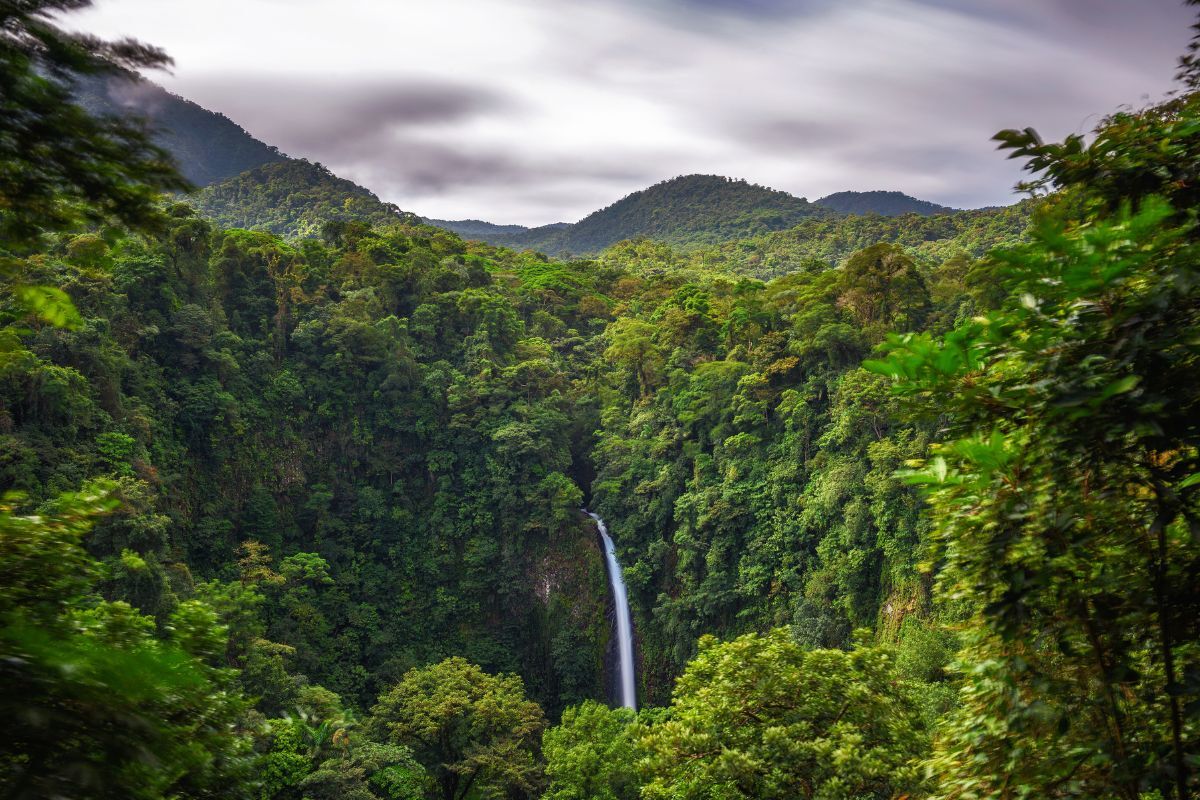
1. The Geography Is Almost Unfairly Ideal
Costa Rica is a small country — roughly the size of West Virginia — but it contains eight distinct coffee-growing regions, each shaped by its own microclimate, elevation, and soil composition. The Central Valley, Tarrazú, Brunca, Turrialba, Orosi, Tres Ríos, Guanacaste, and the West Valley all produce coffees with meaningfully different flavor profiles, even though they're grown within the same national borders.
What unites them is altitude and volcanic origin. Most of Costa Rica's finest coffee is grown between 1,200 and 1,800 meters above sea level. At these elevations, cool nights slow the development of the coffee cherry, allowing sugars and acids to concentrate gradually. The result is a denser bean with more complex, layered flavor — what specialty roasters refer to as "high-grown" quality.
The soil tells its own story. Costa Rica sits on the Pacific Ring of Fire, and the volcanic activity that makes the landscape so dramatic also deposits mineral-rich basalt and ash into the earth. This isn't just scenery — it's flavor. Volcanic soil contributes to the clean, bright acidity and the distinctive sweetness that Costa Rican coffee is known for worldwide.
2. Costa Rica Chose Quality Over Quantity — By Law
In 1989, Costa Rica became the first country in the world to legally ban the cultivation of robusta coffee. Only arabica is permitted.
This is not a small thing. Robusta is higher-yielding, more disease-resistant, and easier to grow — which is why it dominates global commercial coffee production. Arabica is harder to cultivate, more sensitive to elevation and temperature, and produces far less fruit per plant. But arabica, when grown well, produces a cup that is infinitely more nuanced, cleaner, and more complex.
By choosing arabica exclusively, Costa Rica effectively chose to be a quality-first coffee nation. Every coffee you'll ever drink from this country is starting from a higher baseline than most of the world's producing nations.
3. The Processing Methods Are Exceptional
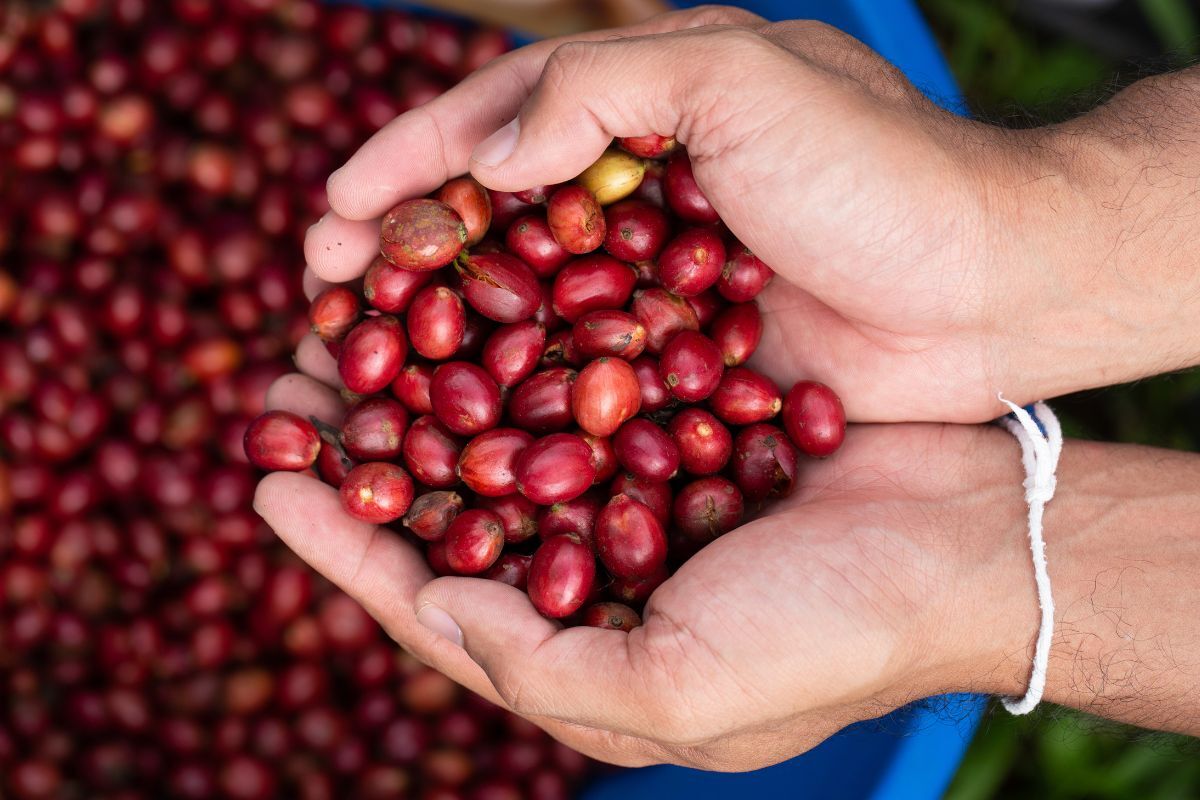
How a coffee cherry is processed after harvest has an enormous impact on the final flavor in the cup. Costa Rica has long been at the forefront of processing innovation, and visiting the country's beneficios — the wet mills where coffee is processed — feels like visiting working laboratories of flavor science.
Washed (or wet) processing is the traditional method in Costa Rica, producing the clean, bright, transparent cup that the country is famous for. The fruit is removed before drying, allowing the bean's natural characteristics to express themselves without interference. This is precision coffee.
Honey processing is a technique that Costa Rica has helped popularize globally. Part of the fruit mucilage is left on the bean during drying, contributing sweetness and body. Yellow honey, red honey, and black honey variants each produce progressively richer, fruitier profiles.
Natural processing — drying the whole cherry — is less common in Costa Rica due to the humidity, but when done well it produces intensely fruited, wine-like cups that showcase the richness of the cherry itself.
At Cafe Milagro, we source across these methods deliberately, because we believe the best Costa Rican coffees are a conversation between terroir and technique.
4. The Farmers Are the Real Story
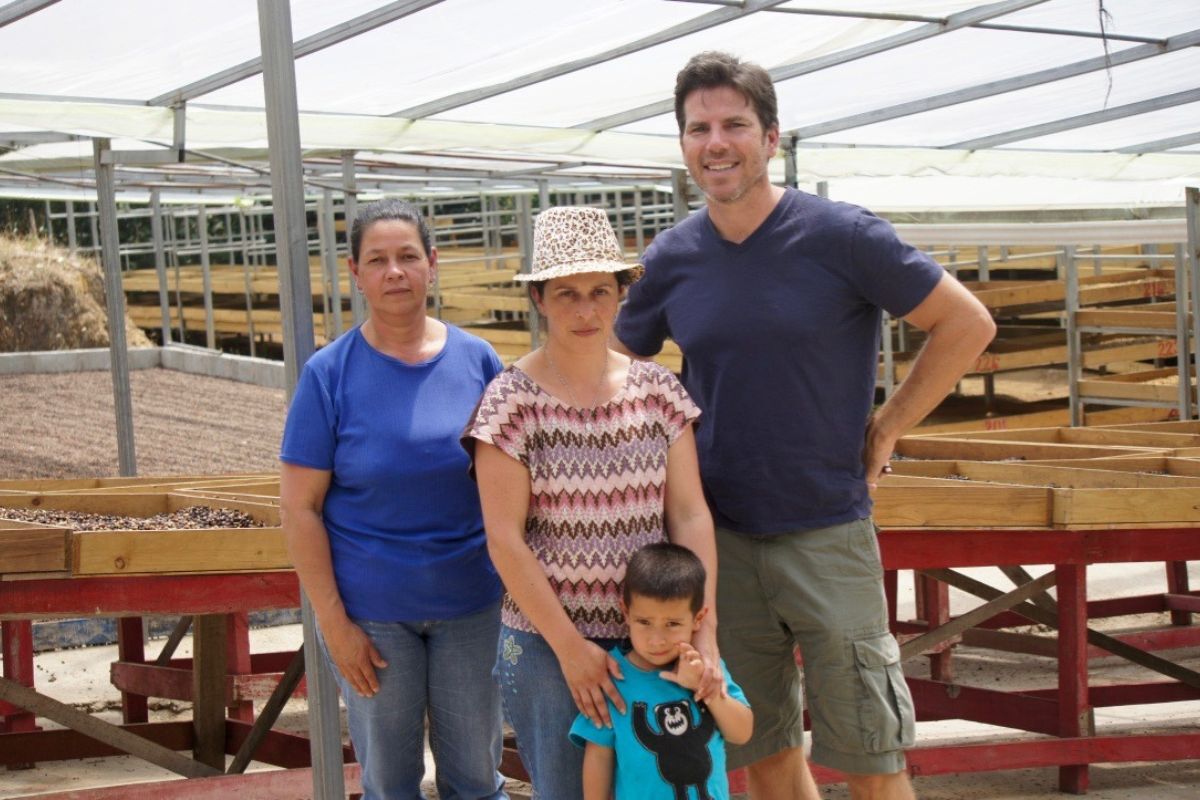
Everything above — the altitude, the soil, the legal framework, the processing methods — only matters if there are skilled, dedicated people tending the farms and the mills. In Costa Rica, there are.
Costa Rican coffee culture runs deep. Many of the farm families we work with have been growing coffee for three, four, even five generations. They understand their land the way a winemaker understands a vineyard — each microplot, each seasonal variation, each subtle difference between this year's harvest and the last.
Over thirty years, Cafe Milagro has built relationships with select farmers who share our commitment to quality, environmental stewardship, and fair practice. We pay above-market rates not as charity but because the work deserves it — and because long-term relationships produce consistently extraordinary coffee. When a farmer knows their harvest is going to a roaster who values it, they invest more care in every step.
This is what gets lost when coffee becomes purely transactional. The flavor suffers. The farming community suffers. We made a different choice in 1994, and we've never looked back.
5. Sustainability Isn't Marketing — It's Agriculture
Costa Rica has one of the most ambitious sustainability records in the world. The country runs on over 99% renewable energy, has reversed deforestation, and maintains more biodiversity per square kilometer than almost anywhere on earth. For coffee farming, this environmental ethic isn't separate from quality — it's integral to it.
Shade-grown coffee, natural water management, composting, and soil health practices all produce better crops over time. A farm that depletes its land for short-term yield is a farm that will produce inferior coffee within a decade. Costa Rican farmers, by and large, understand this.
Cafe Milagro is proud to be a member of 1% for the Planet, committing a percentage of our annual revenue to environmental nonprofits. This reflects a belief we've held since our founding: that the land, the water, and the ecosystems that make Costa Rican coffee extraordinary are worth protecting — not just because it's the right thing to do, but because without them, there is no coffee worth drinking.
What Does Costa Rican Coffee Actually Taste Like?
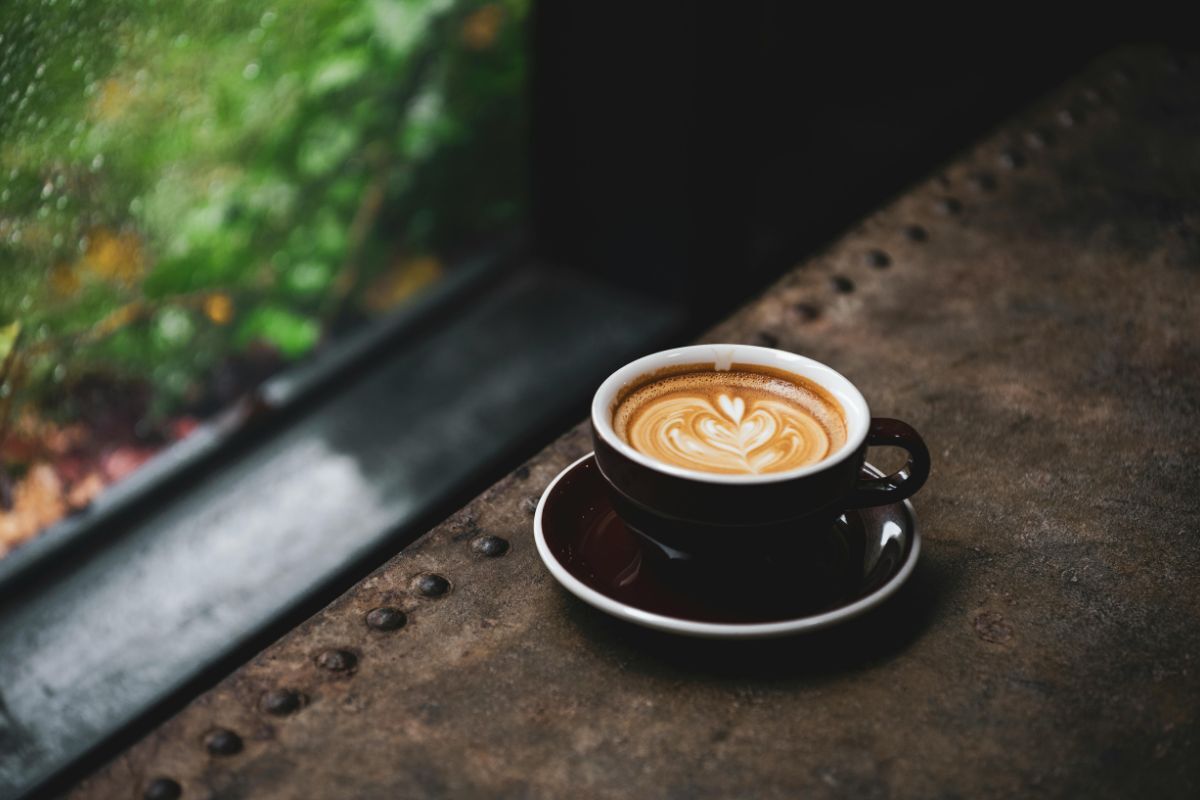
After thirty years, here is how we'd describe the core character of a well-grown, well-roasted Costa Rican coffee:
- Acidity: Bright, clean, often citrus-forward — think orange zest or stone fruit, depending on the region and roast profile
- Body: Medium, smooth, with a silky mouthfeel that is neither thin nor heavy
- Sweetness: Natural caramel, brown sugar, and honey notes that don't require added sweetener
- Finish: Clean and long, often with a pleasant chocolate or almond note at the close
- Clarity: Perhaps the most distinctive characteristic — Costa Rican coffees are transparent in the cup, meaning each flavor is distinct and readable rather than muddled
This is why baristas love them. This is why they appear on the menus of the world's best specialty cafés. And this is why, after three decades, we are still as excited about the harvest as we were on the first day.
From Manuel Antonio, With Respect for the Bean
Cafe Milagro is rooted in Manuel Antonio — a coastal town at the edge of one of Costa Rica's most breathtaking national parks. The environment we work in every day reminds us why sustainability matters. It reminds us what's at stake when we source responsibly, pay fairly, and roast with care.
When you drink a cup of Cafe Milagro coffee, you're tasting thirty years of relationships, three decades of harvest cycles, and a deep respect for what this land produces. Costa Rica doesn't make mediocre coffee. And we've spent our entire existence making sure none of it leaves our roastery that way.