

Costa Rican coffee tastes exceptional because the country gives coffee everything it needs to thrive, then lets nature do the rest. Geography, climate, and farming culture align in a way few places manage to sustain. What you taste in the cup is balance, clarity, and confidence. Nothing feels forced. Nothing needs correcting.
Altitude Creates Structure and Clarity
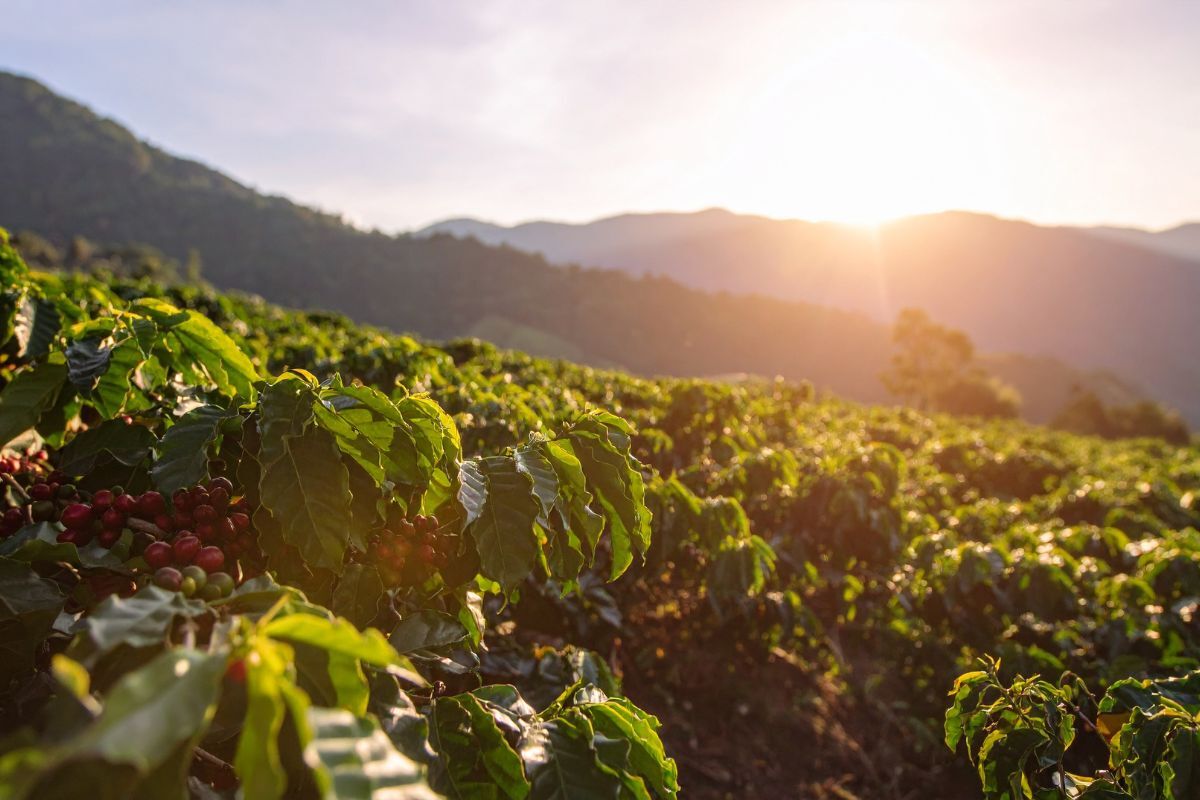
Altitude shapes Costa Rican coffee from the very beginning. Most farms sit between 1,200 and 1,900 meters above sea level, where cooler temperatures slow the maturation of coffee cherries. This slower growth allows sugars and acids to develop evenly, creating a cup that feels structured rather than aggressive.
The result is brightness without sharpness and sweetness without heaviness. Instead of muddy or flat flavors, Costa Rican coffee delivers precision and definition. Regions such as Tarrazú, West Valley, and Central Valley show how altitude-driven growing conditions translate into consistently clean, dependable profiles. Each region expresses its own character, yet all share a recognizable sense of balance.
Volcanic Soil Builds Depth Without Chaos
Costa Rica’s volcanic landscape plays a major role in flavor development. Volcanic soil drains efficiently while remaining rich in minerals, giving coffee plants the nutrients they need without waterlogged stress. This balance produces healthy plants and stable cherries, which leads directly to clarity in the cup.
Flavors feel layered instead of crowded. Acidity stays lively but controlled. You taste energy without bitterness. Just as important, this soil supports long-term farming. When land stays productive year after year, farmers focus on quality rather than pushing yield. The result shows up in every harvest.
Predictable Rain Cycles Keep Coffee Consistent
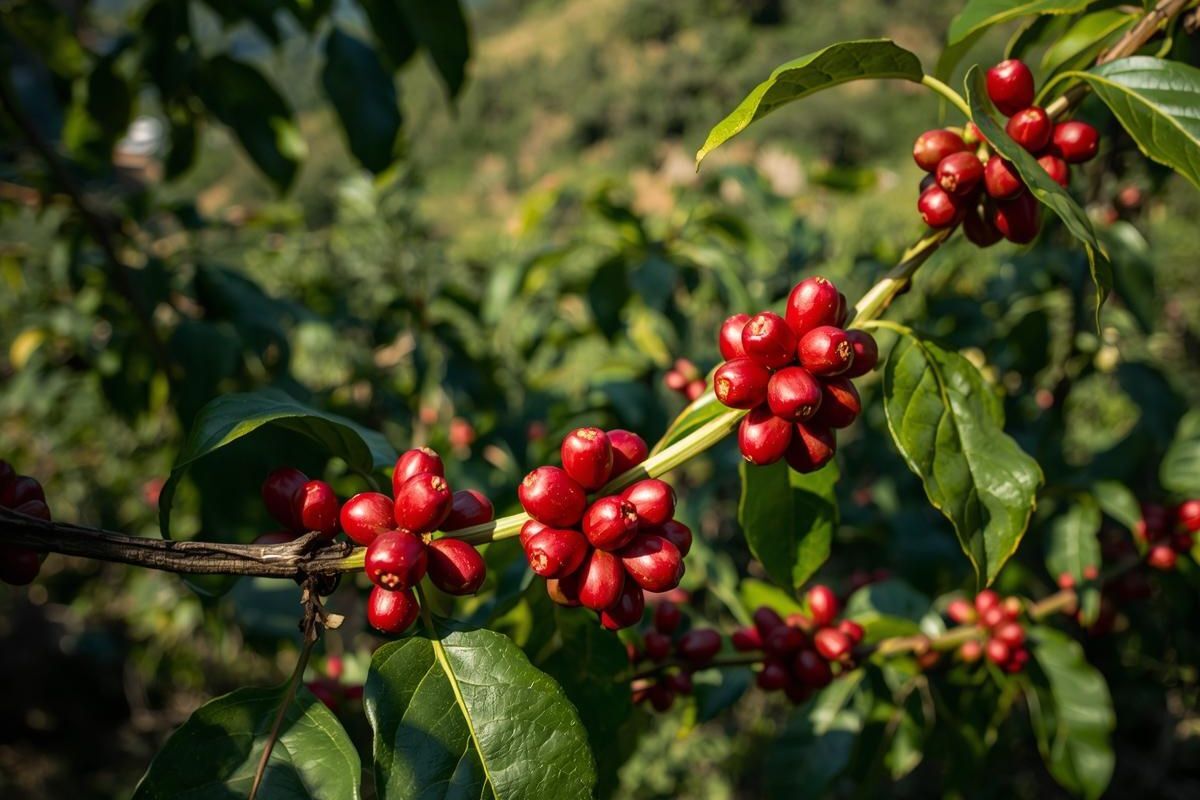
Costa Rica follows a reliable rhythm of dry and rainy seasons, and coffee thrives in this pattern. The dry season supports flowering, while the rainy season fuels growth. This natural timing reduces stress on the plants and allows cherries to ripen evenly.
Even ripening matters. It improves consistency across harvests and reduces the need for aggressive intervention during processing. Farmers know when to pick. Mills know what to expect. Quality stays steady from year to year because nature keeps the schedule.
A National Commitment to Quality Over Volume
Costa Rica made a defining decision decades ago by banning low-grade coffee production and committing fully to Arabica varieties. This choice shaped the entire coffee industry. Standards remain high across farming, processing, and export, and quality receives real value.
Farmers invest in selective picking and careful processing because the system rewards excellence. Mills refine washing and fermentation techniques instead of prioritizing speed. Roasters receive clean, traceable coffees that reflect origin rather than flaws. Every step reinforces the same objective.
Why Costa Rica Consistently Outperforms
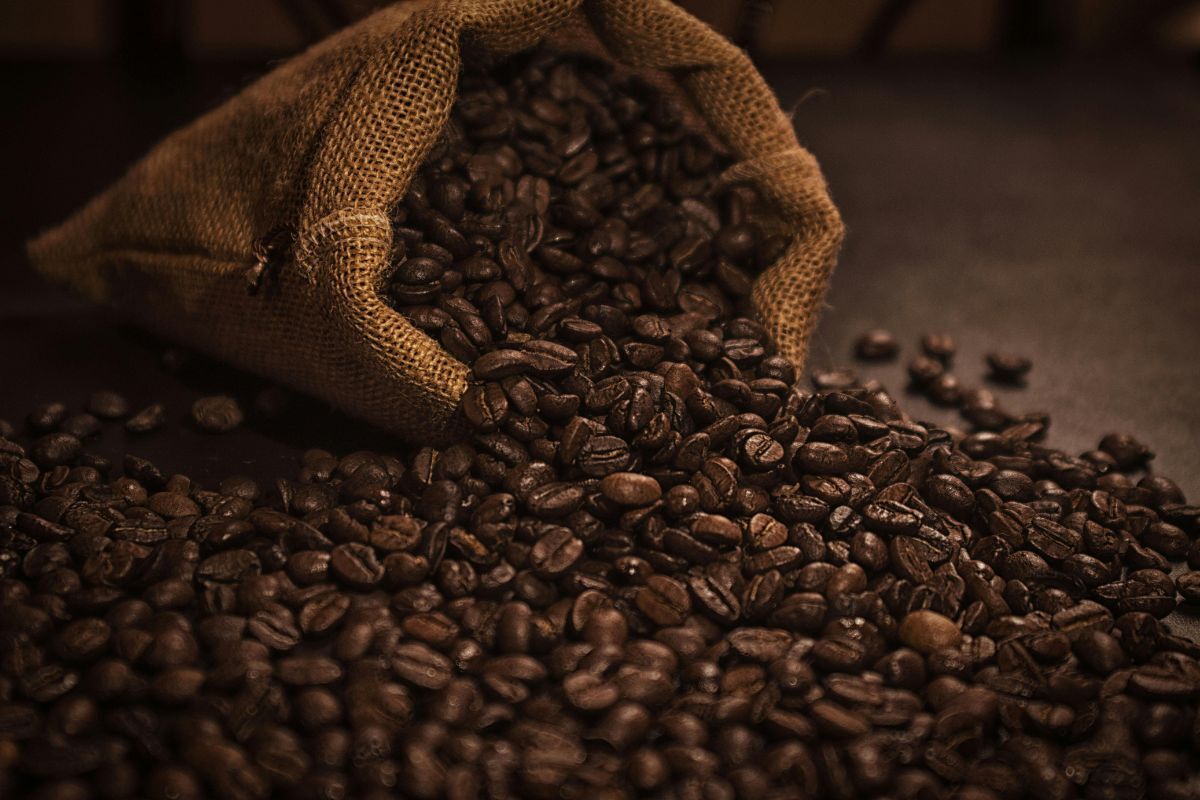
Many countries grow great coffee. Few deliver consistency at scale. Costa Rica succeeds because every factor works together. Altitude slows growth. Volcanic soil feeds the plant. Rain cycles stay reliable. National standards protect quality. Farmers and roasters share a long-term mindset.
At Café Milagro, we roast Costa Rican coffee to respect what already exists in the bean. Clean acidity, natural sweetness, and a finish that feels complete do not need enhancement or disguise. They simply need care.
This is why Costa Rican coffee continues to earn its reputation. Not through trends or hype, but through conditions that consistently produce coffee worth drinking.